Example A toy box
A character steps out of the box
- On the shelf
- A boxed toy with a character printed in the window.
- Through the phone
- The character climbs out on to the lid and waves. The box keeps playing after it is opened.
Seen in Mardles World
Then let the screen join in. A toy, a book, a pack or a poster can come alive when someone points a phone at it, and together we make what appears.
The idea Let the characters on the box climb out and play

Try it
Three made-up products on a shop shelf. Pick one and point the phone at it. The projects under each are real.
Example A toy box
Seen in Mardles World
Example A book page
Seen in Into Deep Space, DiscovAR
Example An activity pack
Seen in Craftis, CrossCountry JourneyMaker
What it does
A phone or tablet camera can learn to recognise places, faces, images and objects, then draw 3D content lined up with them. The character seems to stand on the real box.
That works as play and as learning: turning a planet over is more active than watching a video about it. It also gives people a reason to pick the product up again. See how we build augmented reality.
Toys and books
Traditional toys and books now share a shelf with consoles. A phone gives them the same pull without losing what made them good.
Stickers, colouring packs, masks and story books can all start an experience. Mardles World began with two QVC presenters who wanted “something simple, fun, interactive and original”. Together we turned printed stickers into characters a child steers on a phone. The first 30 characters grew into more than 60 stickers, 20 masks, five story books and Frozen 2 and Toy Story 4 content with Disney Pixar.

Pop-up books showed that a page which moves is easier to learn from. Into Deep Space, with Carlton Books, lets readers turn planets and satellites over, switch to a virtual reality journey and drive a small Mars rover. DiscovAR colouring books put a child’s own colouring into a 3D world.
Campaigns and promotions
A printed poster, a social post or a shopping centre floor can start a promotion people stop for.
To launch Film Engine at a gaming convention, a robot climbed out of a porthole in the poster and talked to visitors.
Opened from Facebook with no app, a laurel wreath became a doorway on to the championship courts.
A life-size penguin led children to Santa’s Grotto. Visits rose 12% in the trial, and it won Judges’ Choice for Innovation at the Purple Apple Marketing Awards.
Packs and apps
Craftis activity packs scan and play: each code opens a new activity, from colouring that comes to life to a minigame. One free app serves every pack, in several languages.
Our consumer work comes in two forms: apps made with an organisation for its own products, and our own characters licensed to others. Most are free, and most link something physical to the phone. Gamification is what brings people back.
Attractions
Attractions already have boards and points of interest, and visitors already carry phones. Together we add 3D animation, film and voice-over to what is there.
At the Shuttleworth Collection, a motion-captured guide greets visitors at 12 stations. Knebworth House shows the view from its Watchman’s Tower in five periods of history. In the Footsteps of Kings, across Fife, won the 2019 Innovation Award at the UK Family Attraction Expo.
With no board to scan, location can start the story, as on the Invisible Worlds walk.
How we work
We agree with you what the box, page or pack should start, and what people do next.
We build the characters and games with you, and you test each version on your phone against the printed artwork.
We publish it to the app stores or the web, then add new content with you as new products launch.
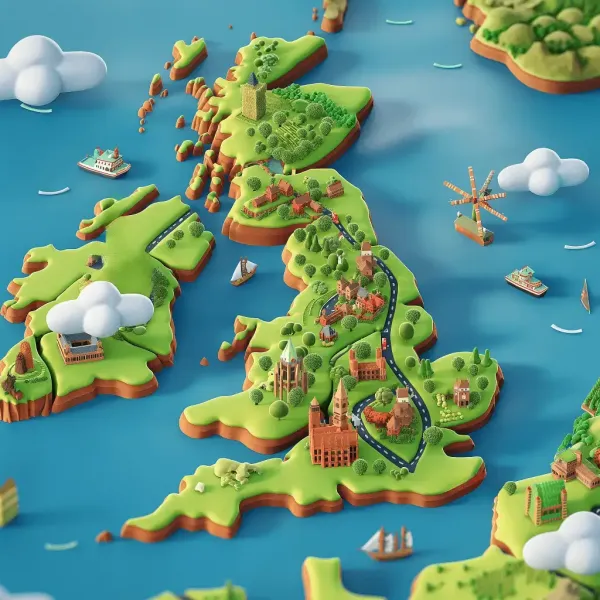 Case study
CrossCountry Journeymaker App
We partnered with CrossCountry Trains to create JourneyMaker, a free AR app packed with fun activities for young travellers. From...
Read the story
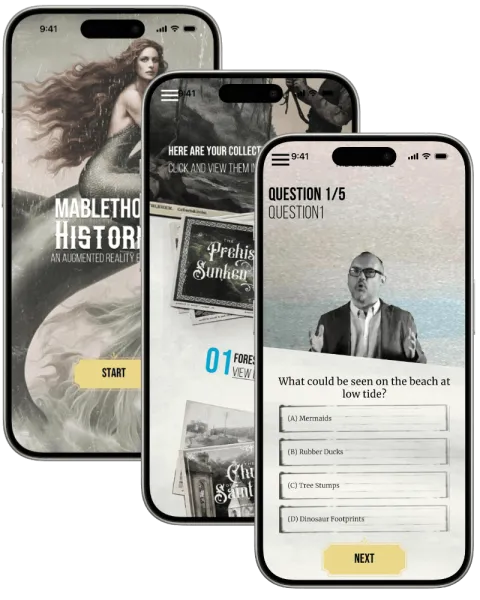 Case study
Mablethorpe Histories
Experience Alderley Edge like never before this innovative mobile app. Using advanced geolocation technology, the app enhances you...
Read the story
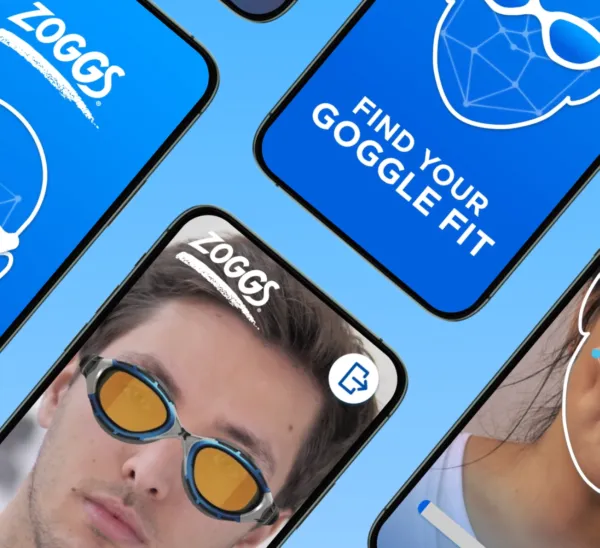 Case study
Zoggs AR Virtual Try-On
Augmented Reality for Swimwear: Enhancing the Try-On Experience for Zoggs!
Read the story
What we use
The mediums behind the projects on this page, from the characters to the games.
Some things are easier to judge, buy or learn when they are in the room at the right size. Augmented reality puts them there through the camera of a phone or tablet, so people can walk round them.
Your training is built and you can see how people use it. Now you want them to finish it, and to go again for a better result. Gamification gives them a reason to.
A product still in design, a mechanism hidden inside a machine or a character that only exists as a sketch is hard to show with a camera. We model and animate it with you, so people can see what it looks like and how it works.
Plenty of people will not install an app to look at one product. WebXR runs 3D and augmented reality in the browser they already have, so a link, a printed code or a button on your product page is all it takes.
A building on a screen is a picture. Tied to the plot it will stand on, or to a printed marker, it becomes something people can stand in. GLME, our geolocation and marker framework, shows the right content when someone reaches a spot or points their phone at a marker, and lets you change it all from one system.
Some places cannot be visited yet, are too risky to practise in or are simply too far away. Virtual reality puts people inside them at full size, wherever they happen to be.
Questions
Not always. A short campaign can open in the phone’s browser or from a social feed, as Fred Perry’s did. A toy range or activity pack that people come back to usually works better as a free app.
Yes. Mardles World began as one app that brought 30 sticker characters to life and grew to hold stickers, masks, story books and licensed characters. Craftis uses one app across many activity packs.
Yes. Tell us about the product and who it is for, and we will work through it with you. Sometimes a browser game, a film or virtual reality suits it better, and we will say so.
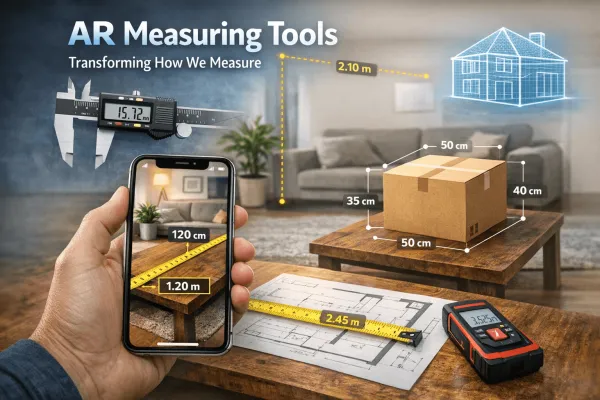 14 April 2026
How AR Apps Help You Measure Products Quickly and Accurately
Whether you’re exploring ancient ruins, learning about local wildlife, or simply seeking an elevated outdoor adventure, AR trail-b...
Read
 15 May 2025
Decoding the Digital Overlay: A Guide to AR Tracking Technologies
This article provides a clear and detailed guide to the various AR tracking technologies that enable immersive augmented reality e...
Read
 15 April 2025
Niantic's Spatial SDK
Niantic's Spatial SDK, formerly known as Lightship, empowers developers to craft groundbreaking augmented reality (AR) experiences...
Read
Your idea
Tell us what you are trying to explain, launch or change in your sector. We will work out with you which medium suits it.
Other sectors
Most visitors see the obvious sights and miss the rest. We work with tourism organisations, councils and travel operators to give people something to explore before they go, on the way and when they arrive.
Some equipment is too big, too busy or too risky to practise on, and a page of instructions only gets people so far. We build training with you that staff, students and new starters can see, try and repeat.
People have more to watch, play and visit than they have time for. We help attractions, broadcasters and event teams give them something to do, so they stay longer and come back.
Healthcare stories are told to patients, to clinicians and by the people who sell to them, and every word has to be right. Together, we turn approved science into something people can see, turn round and follow.
Industrial products are big, heavy and complicated, and the parts that matter are usually inside. We work with you to put them on a desk, in a browser or in a headset, opened up and working, wherever your buyers and your team are.
A photo cannot tell a shopper whether something will fit, suit them or go with their room, and a shopping centre has to give people a reason to make the trip. We work on both with you.
Your turn
Tell us the idea you are trying to explain, launch or change, and together we will find the right way to tell it.